Bone & Joint Health
D3, K2, collagen, and magnesium for structural integrity
About Bone And Joint Health
Bone and joint health are often treated as separate concerns, but they are structurally interrelated — both are forms of connective tissue that share nutritional requirements and are affected by the same systemic factors of inflammation, hormonal status, and oxidative stress. Bones are dynamic living tissue under constant remodeling, and their density and strength depend on a continuous supply of calcium, vitamin D3, vitamin K2, magnesium, zinc, and collagen matrix proteins. Joints depend on cartilage integrity maintained by collagen Type II, adequate synovial fluid viscosity, and controlled inflammatory signaling to remain comfortable and functional.
Why D3 K2 And Magnesium Work Together For Optimal Bone Density
The most important insight in modern bone nutrition is that calcium supplementation alone is insufficient and potentially counterproductive without the co-factors that direct calcium appropriately. Vitamin D3 increases calcium absorption from the gut — but without vitamin K2 to activate osteocalcin and matrix Gla protein, the absorbed calcium may deposit in soft tissues rather than bone matrix. Magnesium is required for both bone mineralization and vitamin D3 activation in the kidneys. This trio of D3, K2, and magnesium working in concert is significantly more effective for bone density than any single nutrient in isolation.
Collagen And Joint Cartilage Health For Comfortable Daily Movement
Joint cartilage is composed primarily of Type II collagen, and its gradual breakdown with age, overuse, and inflammatory exposure contributes to the stiffness, aching, and reduced range of motion that many adults experience. Hydrolyzed collagen peptide supplementation has been shown in multiple clinical trials to reduce joint pain scores and improve physical function in adults with knee osteoarthritis and exercise-related joint discomfort. The peptides are absorbed and transported to joint tissues, where they stimulate chondrocytes — the cells responsible for cartilage maintenance — to increase collagen production.
Anti Inflammatory Support For Long Term Joint Comfort And Mobility
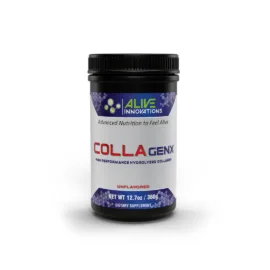
Chronic inflammatory signaling in joint tissues drives the progressive cartilage degradation and synovial inflammation that underlies most age-related joint concerns. Natural anti-inflammatory compounds including turmeric curcumin, which has been studied specifically in osteoarthritis clinical trials, and omega-3 fatty acids that support the production of anti-inflammatory resolvins and protectins, provide meaningful support for inflammatory joint pain. CollagenX and MAG7 from Alive 4 Health provide the structural and mineral support that bone and joint health requires as a daily foundation.
Showing the single result