Gut Health & Digestive Support
Spore probiotics, enzymes, and gut-lining support for digestive wellness
About Gut Health
Your gut does far more than digest food — it houses approximately 70 percent of the body's immune system, manufactures key neurotransmitters including serotonin and GABA, and communicates directly with the brain through the gut-brain axis. When the gut is out of balance — whether from antibiotic use, poor diet, chronic stress, food sensitivities, or dysbiosis — the effects rarely stay local. Fatigue, brain fog, skin flares, mood disturbances, and immune dysfunction can all trace back to a compromised digestive system. Supporting gut health is one of the most meaningful investments you can make in your overall wellbeing.
How Probiotics And Enzymes Support Healthy Digestion Naturally
Spore-based probiotics that survive stomach acid and actually reach the intestine are one of the most effective tools for restoring microbiome balance. Unlike delicate probiotic strains that die before reaching the gut, spore-forming bacteria like Bacillus Coagulans germinate only once they reach the intestinal environment. Digestive enzymes — including amylase, lipase, protease, and cellulase — help break down food more completely, reducing the fermentation that causes bloating, gas, and discomfort. Together, probiotics and enzymes address both the microbial balance and the mechanical efficiency of the digestive process.
The Gut Lining And Why Intestinal Barrier Integrity Matters
The intestinal lining is a single-cell-thick barrier that separates the contents of the gut from the bloodstream. When this barrier is compromised — a condition sometimes called leaky gut or increased intestinal permeability — partially digested food particles, toxins, and pathogens can cross into systemic circulation and trigger widespread immune responses. L-Glutamine, the primary fuel source for enterocytes (intestinal lining cells), is one of the most important nutrients for maintaining and repairing this barrier. Supporting gut lining integrity is foundational to reducing systemic inflammation and supporting immune resilience.
Supporting Long Term Gut Health With Consistent Daily Nutrition
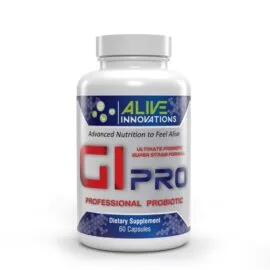
Long-term gut health depends on consistent daily support rather than periodic cleanses or short-term interventions. A diverse, fiber-rich diet that feeds beneficial bacteria, adequate hydration, stress management, and targeted supplementation with probiotics, digestive enzymes, and gut-soothing botanicals like slippery elm, ginger, and turmeric create the conditions for lasting microbiome resilience. Alive 4 Health's GI PRO combines spore-based probiotics, digestive enzymes, L-Glutamine, and botanical support in one comprehensive formula designed for sustained gut restoration.
Showing all 3 results
-
Digestive Support
Sale!

GI PRO – Advanced Gut & Immune Support Formula
Original price was: $65.00.$55.25Current price is: $55.25. — or subscribe to save up to 10% Add to cart -
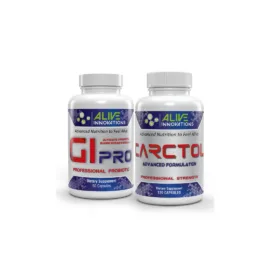
GI PRO + Carctol Immunity & Gut Health Bundle
$195.00 — or subscribe to save up to 10% Add to cart -
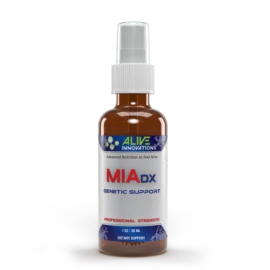
MIA DX Genetic Support
$66.00 — or subscribe to save up to 10% Add to cart