Hormonal Balance
HPA axis, adrenal, and endocrine system nutritional support
About Hormonal Balance
Hormonal balance is not a single variable to optimize but a dynamic interplay among dozens of hormones — cortisol, insulin, thyroid hormones, sex hormones, growth hormone, and more — that must remain in calibrated relationship with one another for health to be maintained. Modern life disrupts this balance from multiple directions: chronic stress chronically elevates cortisol, which suppresses thyroid function, disrupts sex hormone production, and drives insulin resistance. Nutrient deficiencies in zinc, magnesium, vitamin D3, and iodine directly impair hormone synthesis at the most fundamental level.
How Chronic Stress Disrupts Hormonal Balance Throughout The Body
The relationship between stress and hormonal health begins with the HPA axis — the hormonal cascade that governs cortisol release. When cortisol is chronically elevated, it suppresses the production of thyroid hormones through competitive inhibition, reduces sex hormone levels through cortisol's relationship with pregnenolone (the hormonal precursor shared by cortisol and sex hormones), and drives insulin resistance by opposing insulin's glucose-uptake signaling. Addressing the stress response through HPA axis-modulating adaptogens is often the most important first step in restoring broader hormonal balance.
Essential Nutrients That Support Healthy Hormone Production Daily
Zinc is directly involved in testosterone biosynthesis and is required for the function of luteinizing hormone receptors. Vitamin D3 functions more like a hormone than a vitamin, with receptors in virtually every tissue and direct influence on sex hormone production. Iodine and selenium are the irreplaceable substrates and cofactors for thyroid hormone synthesis and T4-to-T3 conversion. Magnesium supports insulin sensitivity and adrenal function. Without adequate levels of these foundational nutrients, the endocrine system cannot produce or regulate hormones effectively regardless of other interventions.
Supporting The Adrenal Thyroid Axis For Whole Body Hormonal Wellness
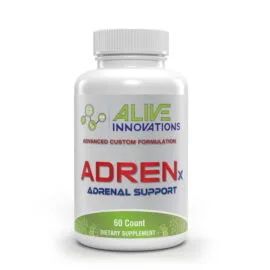
The adrenal glands and thyroid gland are intimately connected in their regulation — adrenal stress suppresses thyroid function, and thyroid dysfunction affects adrenal response. AdrenX from Alive 4 Health addresses this axis directly, combining ashwagandha for HPA modulation, kelp for organic iodine to support thyroid hormone substrate availability, and vitamin C to nourish the adrenal glands which have the highest vitamin C concentration of any body tissue and consume it rapidly during cortisol production.
Showing the single result
-

AdrenX – Natural Adrenal Support Formula | Boost Energy & Stress Response (60 Capsules)
$52.00 — or subscribe to save up to 10% Add to cart