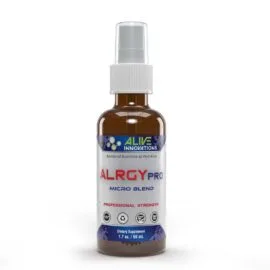
Respiratory & Allergy Support
Vitamin C, zinc, EGCG, and immune-modulating formulas
About Respiratory And Allergy Support
Respiratory and allergy health sit at the intersection of immune function, mucosal barrier integrity, and inflammatory regulation — making them highly responsive to nutritional and supplemental support. Seasonal allergies are driven by an exaggerated IgE-mediated immune response to environmental antigens like pollen, dust mite proteins, and pet dander, in which mast cells in the nasal mucosa release histamine and inflammatory mediators. The propensity to mount these exaggerated responses is influenced by immune calibration, gut microbiome composition, and oxidative stress levels.
How Vitamin C And EGCG Support Natural Histamine Management
Vitamin C acts as a natural antihistamine at higher doses by supporting the activity of histamine N-methyltransferase and diamine oxidase — the enzymes responsible for metabolizing and breaking down histamine. It also fortifies mucosal barrier integrity in the respiratory tract, strengthening the first line of defense against inhaled allergens. EGCG from green tea demonstrates anti-allergic activity by stabilizing mast cell membranes and reducing histamine release, addressing allergy symptoms through a complementary mechanism to antihistamine medications without the sedating side effects.
The Gut Immune Axis And Its Influence On Allergy And Asthma Risk
One of the most compelling emerging areas of immunology is the connection between gut microbiome diversity and the risk and severity of allergic conditions. The gut microbiome trains the immune system throughout life and continues influencing immune calibration in adults. Reduced microbial diversity — a hallmark of Western diets and antibiotic use — is associated with elevated Th2 immune polarization, which is the immunological basis for allergic and atopic conditions including hay fever, asthma, and eczema. Probiotic supplementation may support longer-term allergy resilience by modulating this Th1/Th2 immune balance.
Year Round Respiratory Wellness Through Foundational Immune Support
The most effective approach to respiratory and allergy wellness combines targeted anti-histamine support during peak allergy seasons with year-round foundational immune nutrition and gut microbiome maintenance. CT Defense from Alive 4 Health features EGCG alongside immune-activating compounds for cellular-level antioxidant and anti-allergic protection. GI PRO supports the gut microbiome diversity that modulates the Th1/Th2 immune balance underlying allergic hypersensitivity for a whole-system approach to respiratory wellness.
Showing the single result