CoQ10
Mitochondrial energy and heart antioxidant support
About CoQ10
Coenzyme Q10 is a fat-soluble compound that plays an irreplaceable role in cellular energy production. Found in the mitochondria, CoQ10 is a critical component of the electron transport chain — the biochemical process by which cells convert nutrients into ATP. Cells with the highest energy demands, including those in the heart, brain, and skeletal muscle, contain the greatest concentrations of CoQ10. Beyond energy production, CoQ10 functions as a powerful antioxidant within the mitochondria itself, protecting cell membranes and mitochondrial DNA from oxidative byproducts of energy metabolism.
Why Alive 4 Health Uses CoQ10
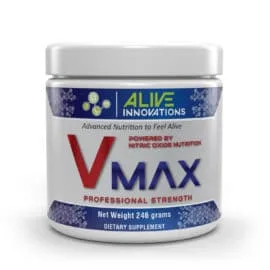
CoQ10 appears in three alive4health formulas because its benefits span multiple systems. In Mito Pro, CoQ10 is central to supporting mitochondrial energy output at the cellular level. In Cardi Pro, it contributes to heart muscle energy alongside Hawthorn Berry and Phosphatidylcholine. In V Max, CoQ10 pairs with nitric oxide precursors to support both vascular health and cellular energy.
CoQ10 Decline With Age And The Statin Connection
The body's natural CoQ10 production declines significantly with age — beginning as early as the mid-twenties and dropping considerably by the forties and beyond. Statin medications further deplete CoQ10 levels by blocking the same metabolic pathway the body uses to produce it. This means many of the people who most need cardiovascular support may simultaneously be at the greatest risk of CoQ10 insufficiency, making targeted supplementation especially relevant for adults over 40 and those on statin therapy.
Ubiquinone Versus Ubiquinol — Choosing The Right CoQ10 Form
Ubiquinone is the oxidized form of CoQ10 and is the most common form found in supplements — it is what the body must convert into ubiquinol, the active, reduced form that serves antioxidant functions. For younger individuals with robust metabolism, this conversion happens efficiently. However, conversion capacity tends to decline with age, making ubiquinol a consideration for adults over 40 who may benefit from the pre-converted active form.
Showing the single result