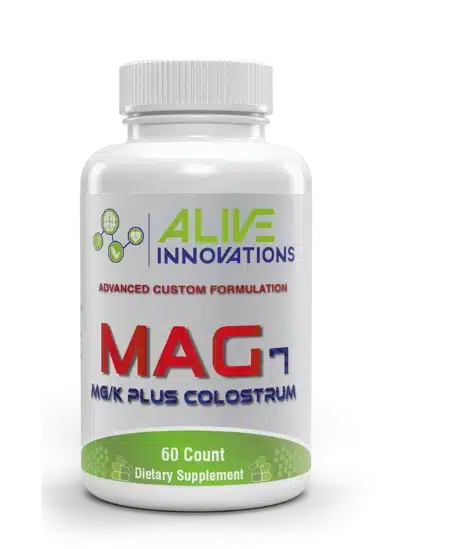
Magnesium is involved in virtually every major biological process that keeps you alive and thriving. It is a required cofactor for ATP (the cell’s energy currency), plays a central role in DNA synthesis and repair, governs neuromuscular signaling, regulates cardiovascular rhythm, and controls the balance between calcium and potassium across cell membranes.
When magnesium levels fall below optimal, the downstream effects are wide-ranging: muscles cramp and twitch, sleep becomes fragmented, stress tolerance collapses, blood pressure creeps upward, and the mitochondria that power every cell in your body begin to underperform.
In my recent scans, I have noticed a puzzling pattern of hypervitaminosis D,
increased calcium, parathyroid hormone, and the associated influences; this
leads me to wonder do we need to re-examine the role of Vitamin D especially
with direct or indirect exposure to the COVID spike protein? These cases fit into
predominantly two categories. Those with A+ blood type had hypervitaminosis D
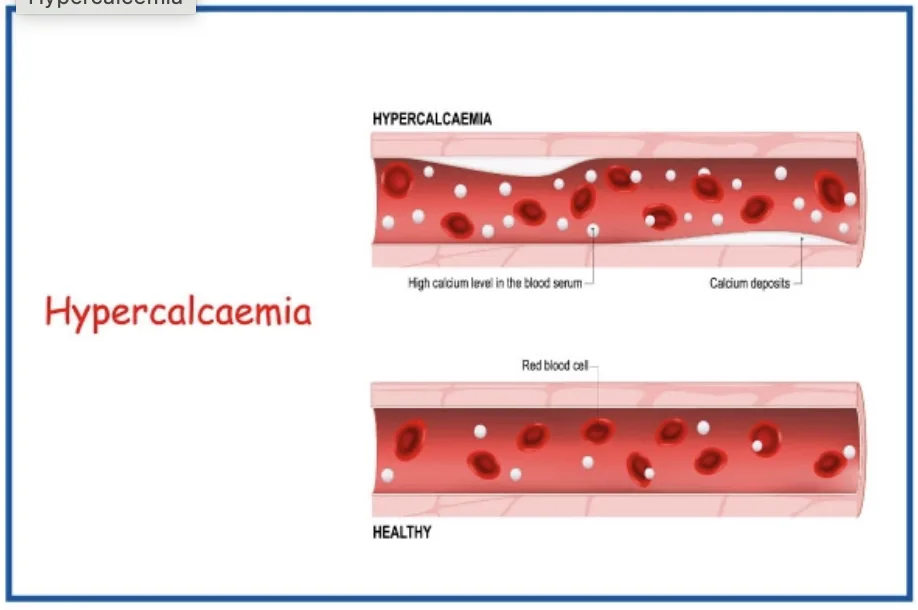
and typically hypercalcemia, O+ typically just hypercalcemia. In my observations
99% of the time clients fit into these two groups.
In the early days of COVID, there was much discussion on the deficiency of
Vitamin D creating increased morbidity and mortality; the ACE-2 receptor was
thought to also be influenced in part possibly allosterically by the Vitamin D cell
and nuclear receptors on the macrophages. That lead to people mega dosing on
Vitamin D; but that isn’t the whole story…
What are the connections between players that may explain the puzzle: the
Spike protein, mast cells, and vitamin D.
November of 2020 a group of doctors and mast cell researcher suggested the
following: “Much of Covid-19’s hyperinflammation is related to inflammation
which MC [mast cell] activation can drive. Drugs with activity against MCs or
their mediators have preliminarily been observed to be helpful in Covid-19
patients. PMID: 32920235
None of the authors’ treated MCAS [mast cell activation syndrome] patients with
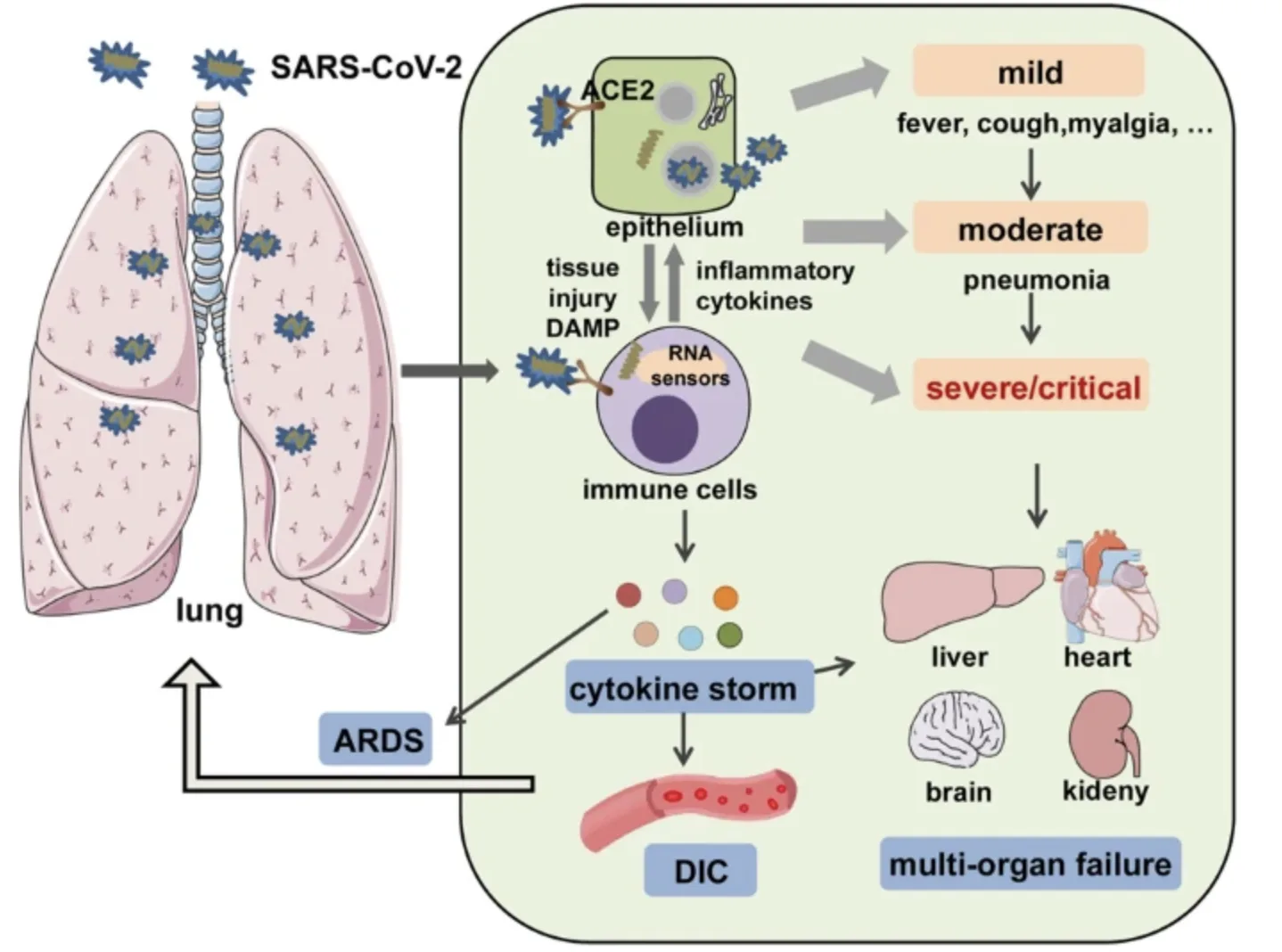
Covid-19 suffered severe infection, and even mortality; Hyperinflammatory
cytokine storms in the many severely symptomatic Covid-19 patients may be due
an atypical response to SARS-CoV-2 by the dysfunctional MCs of MCAS rather
than a normal response by normal MCs. It is a theory that must be tested and
researched more.
The mast cells discharge their inflammatory soup and substances such as
histamine, leukotrienes, prostaglandins, and cytokines – triggered by several
stimuli.
Mast cells are present in most tissues, including the lung, the gut, and the brain
(called microglial cells) They were originally recognized for their capacity to kill
parasites with the toxic contents of their granules. However, a dysregulated
degranulation of mast cells can result in allergy or hyper-inflammation.
Mast cells have been suspected to play a role in the severity of COVID-19.
In December of 2021, Wu et al. published a study titled SARS-CoV-2-triggered
mast cell rapid degranulation induces alveolar epithelial inflammation and lung
injury. PMID: 34921131
Interestingly, these researchers could reproduce the effects of the virus on mast
cell degranulation with just the Spike protein binding to the ACE2 receptor on
mast cells. This makes their findings relevant not only to the impact of COVID
infection, but also to the impact of COVID vaccines, which make the body
produce the Spike protein for unknown duration of time.
It is this response that can trigger mast cells (via ACE2) and putting some people
at risk of severe outcomes. This is especially the case for people, whose mast
cells are already destabilized due to environmental exposures, chronic
inflammation, or pre-existing conditions.
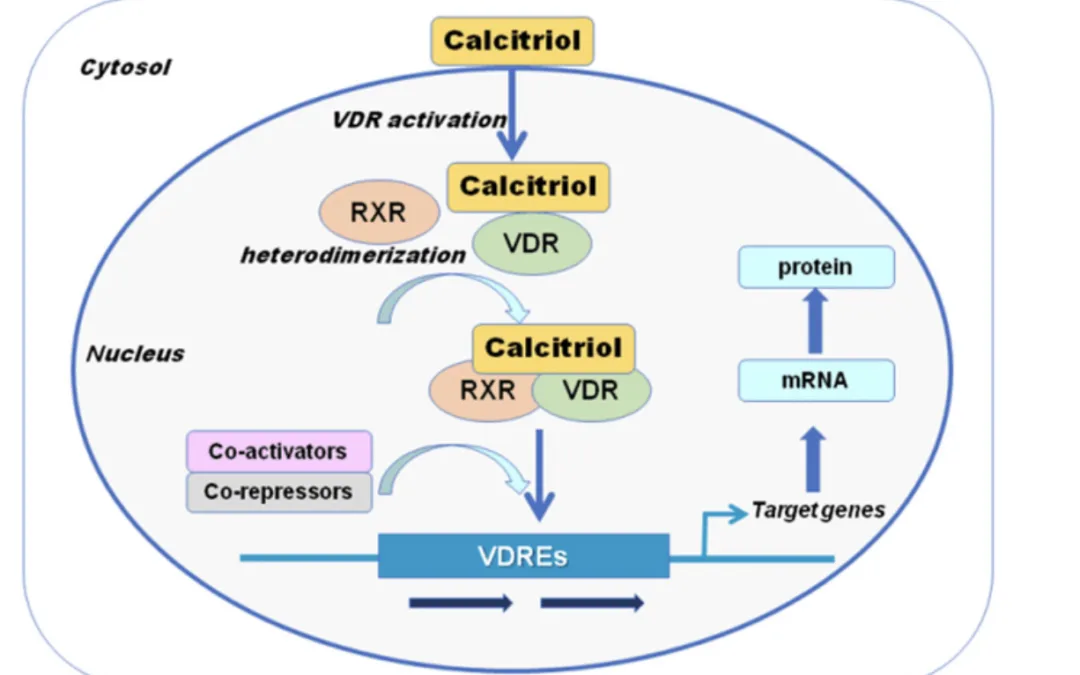
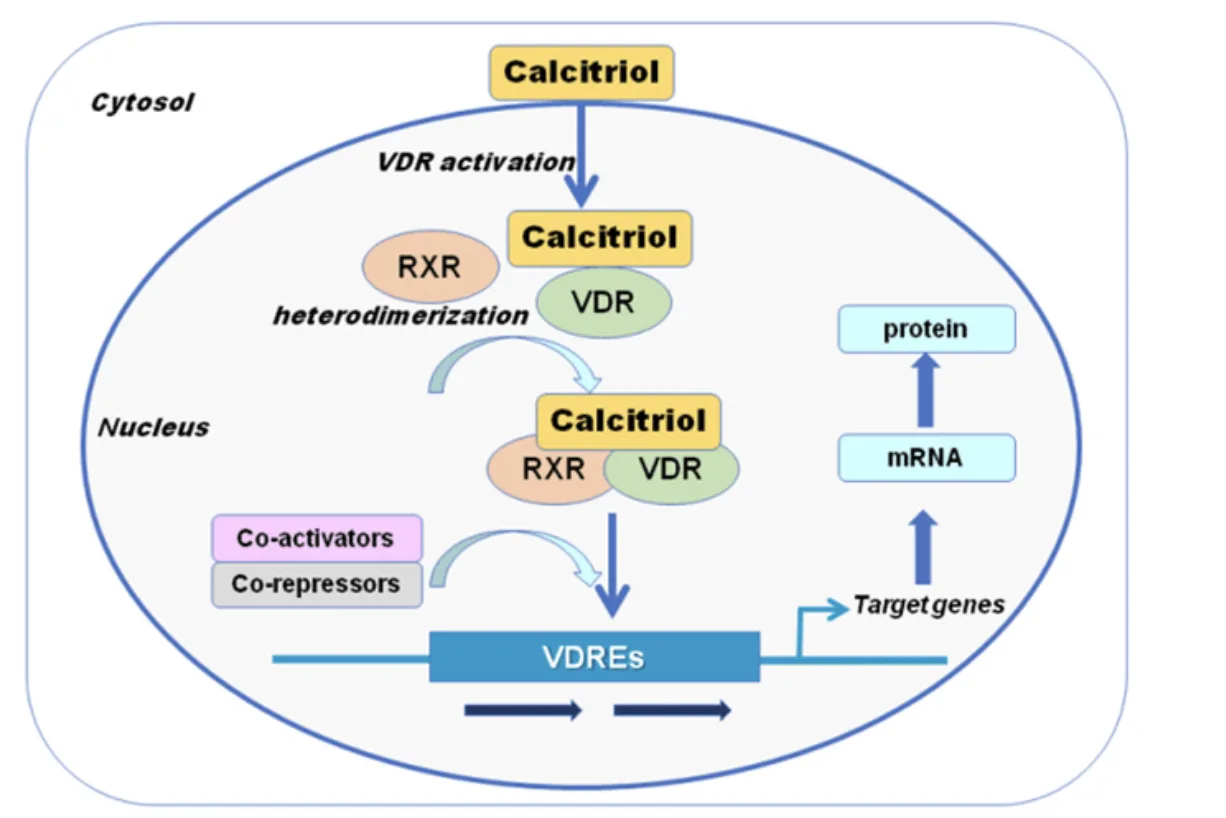
My belief is that the VDR (vitamin D) receptor functions maybe overwhelmed by
dysregulated spike protein responses, causing increased levels of Vitamin D in
the serum and in QSC scanning causing calcium build up in the body – also
known as granulomatous disease. PMID: 33864942
In more than half of these cases clients where NOT consuming vitamin D despite
levels being elevated. And based on analysis the client did need vitamin D
however could NOT absorb it.
This is a departure for the understanding of Vitamin D deficiency and COVID
infection; A 2017 study found that mast cells activate spontaneously in a vitamin
D-deficient environment, and the vitamin D levels are inversely correlated with
COVID severity, if indeed mast cells are driving it. PMID: 27998003
And pre-existing chronic conditions such as inflammation and obesity are often
accompanied by low vitamin D levels.
Maintaining adequate plasma levels of Vitamin D is not simply a matter of
dietary intake and sun exposure, but also depends upon the reduction in
pollutant, pesticide and glyphosate exposure and a healthy microbiome.
Inflammatory endotoxin LPS, produced by certain strains of gut bacteria, can be
responsible for driving chronic inflammation via endotoxemia (increased
presence of LPS in the bloodstream). And chronic inflammation depletes vitamin
D. The link between LPS and vitamin D degradation has been established in this
study, by showing that LPS upregulates vitamin D-metabolizing enzymes,
CYP27B1 and CYP24A1, in white blood cells.
Stabilization of mast cells also requires maintaining a healthy gut barrier to
prevent LPS (lipo-polysaccharide) leakage into the bloodstream and subsequent
vitamin D degradation. So, is it possible that that one answer to the clinical
observation of hypervitaminosis D lies in the leaky bowel issue? Made worse by
the dysregulated mast cells? These cells themselves can pose a challenge to
healing the gut as they contribute to the gut barrier dysfunction, potentially
fueling their own destabilization.
In addition, mast cells can degranulate when exposed endocrine-disrupting
herbicides, toxicities and power-frequency EMFs maybe even the 5G; possible
additives to vaccines can also result in the release of inflammatory mediators
from mast cells. And let’s not forget that psychological stress exacerbates mast
cells via stress hormones and neurochemicals.
Healing from long-COVID or COVID vaccine injury or preparing to handle COVID
exposure uneventfully should include mast cell care.
Improve the microbiome and regulate the Vitamin; there are also some food
substances known to mitigate their activation; some of the Alive Innovation
remedies for consideration are ALRGY PRO, INFL PRO, IMMU PRO, Quercetin,
Arginine, Resveratrol, K PRO, and PHOS PRO.
Exposure to Covid seems to cause dysregulation with both vitamin D and by
extension calcium in A+ clients. In O+ clients vitamin D dysregulation was not
apparently obvious; however, hypercalcemia was apparent.
In both cases symptomatic issues of hypercalcemia were predominate; nausea,
stomach issues, GI issues, tired but unable to sleep, wrestles legs, achy joints,
vision issues, cloudy thinking, neurotic behavior and more. Supporting calcium
using PHOS PRO along with SLK PRO to support kidney function was generally
the first approach. In the absence of blood type, we noticed a trend of K PRO
matching along with INFL PRO; To assist in binding vitamin D, and support for
inflammation reduction respectively.
In my lifetime I have rarely seen Vitamin D toxicity, especially from those that
are NOT taking vitamin D. Along with this seeing relatively young clients in 30-
50’s have calcium issues where thyroid and parathyroid function is clinically
normal is out of the ordinary.
For those in the wellness industry or may have symptoms like hypercalcemia it
would be wise to review the basics. The Spike protein seems to be pervasive in
simple observations to me, clearly linked with these conditions causing a Trilogy
of Trouble.
Disclaimer
The information provided in this article is for educational purposes only and
should not be construed as medical advice. Always consult with a healthcare
professional before starting any new treatment regimen, especially if you have
existing health conditions or are taking other medications. The efficacy and
safety of supplements and medications can vary based on individual health
profiles and conditions.
Subclinical Calcium Dysregulation Syndrome (sCDS) is a condition characterized by subtle
yet impactful disruptions in calcium homeostasis, often occurring without overt clinical
symptoms. This article explores the intricate interplay between hypervitaminosis D,
hypercalcemia, and hyperparathyroidism, emphasizing their detection through advanced
diagnostic tools such as Quantum Cellular Scan. The regulatory mechanisms of calcium in
the body, particularly its role in bioelectric properties, immune function, and inflammatory
responses, are examined in detail. By understanding sCDS, clinicians can identify early
markers of dysregulation and implement targeted therapeutic strategies, including
personalized formulations from Alive Innovations, to restore balance and prevent the
progression of more severe health conditions. This comprehensive review aims to provide a
framework for recognizing and managing sCDS, ultimately improving patient outcomes
through early intervention and tailored treatments.
Introduction
Subclinical Calcium Dysregulation Syndrome (sCDS) is a newly proposed term by the author
that describes the subtle yet significant disruptions in calcium homeostasis that can occur
without overt clinical symptoms. These disruptions, often interlinked with conditions such
as hypervitaminosis D, hypercalcemia, and hyperparathyroidism, can lead to severe health
implications if left unchecked. This article examines the complex mechanisms underlying
sCDS, the predispositions that increase vulnerability to this syndrome, and the advanced
diagnostic methods, such as Quantum Cellular Scan, that aid in its detection. By
understanding sCDS, clinicians can identify early markers of dysregulation and implement
targeted therapeutic strategies to prevent the progression of more serious health issues.
Hypervitaminosis D and Hypercalcemia
Hypervitaminosis D, characterized by elevated levels of 1,25-dihydroxyvitamin D, often
leads to hypercalcemia. This condition is regulated tightly by the interplay between
parathyroid hormone (PTH) and calcitonin, which manage calcium absorption and excretion.
Excessive vitamin D can result in hypercalcemia, know to classically contributing to renal
stones, digestive issues, fatigue, and neuropsychiatric disorders .
Additionally, subclinical hypercalcemia detected via Quantum Scans may indicate an early
dysregulation before clinical symptoms become apparent. This may also be a hallmark of
poor cellular communication and signalling.
Calcium ions play a pivotal role in maintaining the bioelectric properties of cells, particularly
through their involvement in ATP and voltage-gated ion channel communication. These
mechanisms are crucial for processes such as muscle contraction, neurotransmitter release,
and hormone secretion, including the exocytosis involved in pancreatic function [1][2]. The
disruption of calcium signaling can lead to severe cellular dysregulation. For instance, during
viral infections like COVID-19, SARS-CoV-2 can induce calcium influx, disrupting
homeostasis and leading to enhanced viral replication and pro inflammatory responses [3].
This dysregulation is particularly evident in the exocytosis of pancreatic enzymes, which is
crucial for digestive processes but can become maladaptive under chronic inflammation [4]
creating motility and dysbiotic influences
Calcium channel blockers such as amlodipine and nifedipine are conventionally used to
manage hypertension and angina by inhibiting L-type calcium channels, thereby reducing
intracellular calcium levels [5]. These interventions highlight the importance of calcium
homeostasis in both normal physiology and disease states, underscoring the therapeutic
potential of targeting calcium signaling in viral infections.
Immune Dysregulation and Macrophage Activity
Calcium serves as a critical intracellular messenger, influencing various immune pathways.
Dysregulated calcium homeostasis can activate macrophages, which contain the enzyme
1α-hydroxylase, responsible for converting 25-hydroxyvitamin D to its active form, 1,25-
dihydroxyvitamin D. This process can perpetuate hypervitaminosis D and the overall milieu
creates a pro-inflammatory state by enhancement of transcription factor STAT1 signaling
and interferon responses, leading to increased macrophage activity and inflammatory
cytokine production, such as COX2.
Studies suggest that lipopolysaccharides (LPS) from gut dysbiosis can trigger these
pathways, further intensifying the immune response . [6].
Hypersensitivity and Autoimmune Responses
The activation of macrophages and subsequent increase in 1,25-dihydroxyvitamin D levels
can contribute to hypersensitivity responses, potentially classified as Type III
hypersensitivity. [7]. These responses are characterized by immune complexes not
adequately cleared by the innate immune system and cytotoxic reactions, exacerbating
inflammatory conditions and the attraction of leukocytes.
This is noteworthy as it may provide therapeutic clinical targets as will be discussed.
Blood Type and Autoimmune Diseases – enhanced vulnerability?
Research indicates a correlation between certain blood types and susceptibility to
autoimmune diseases. A Turkish study in 2017 highlighted that individuals with blood type
A are more prone to conditions such as spondylarthritis, vasculitis, and rheumatoid arthritis
[8]. A 2019 study further corroborated these findings, linking blood type A to a higher
prevalence of rheumatic diseases, multiple sclerosis (MS), and Lupus [9]. Further studies on
the mechanism that are involved here are required but the author postulates that there may
be cross reactivity of the red blood cell lectins and the Antigen Presenting Cells of the
immune system with loss of immune tolerance.
Clinical observations indicate that individuals with blood type A+ typically exhibit
hypervitaminosis D alongside hypercalcemia, whereas those with blood type O+ tend to
have hypercalcemia without elevated vitamin D levels. This suggests that the inability to
utilize vitamin D effectively might be linked to blood type A+, potentially due to a more
pronounced impact of viral infection on hormone receptors (VDR)
Vitamin D Receptor (VDR) and COVID-19
The Vitamin D Receptor (VDR) plays a critical role in mediating the effects of vitamin D on
calcium metabolism and immune function. COVID-19 has been shown to influence VDR
expression, potentially increasing serum levels of vitamin D due to altered receptor density
and effectiveness. This interaction underscores the complex relationship between viral
infections and calcium homeostasis.
Other clinical observations using the QCS are the dysregulation of B12 and Germanium,
suggesting that the dysregulation of calcium may even exert and influence on oxygenation,
lets explore this more.
Mechanisms of B12 and Germanium
Vitamin B12 and germanium are crucial for maintaining cellular oxygen levels and ATP
production. B12 is essential for red blood cell formation and neurological function, while
germanium enhances oxygen utilization in cells. Disruption in calcium signaling can impair
these processes, contributing to the symptoms observed in sCDS.
Below is a table summarizing the clinical picture, signs, and symptoms of Subclinical
Calcium Dysregulation Syndrome (sCDS). Note that clinical findings maybe based on lab or
quantum frequency (quantum cellular scan) metrics.
Category
Signs and Symptoms
Mechanisms/Notes
Hypervitaminosis D
Elevated 1,25-dihydroxyvitamin D levels
Excess vitamin D enhances calcium absorption from the gut and
reabsorption from the kidneys, leading to hypercalcemia
Calcium ions are crucial for ATP and voltage-gated ion channel
communication, essential for muscle contraction and
neurotransmitter release.
Therapeutic Implications and Clinical Strategies with Alive Innovations Products
Clinicians can leverage Alive Innovations custom formulations to address these subclinical
imbalances. The therapeutic interventions offer targeted support based on individual needs
identified through intake and quantum scanning. The micro blends are designed to restore
balance, regulate immune function, and mitigate inflammatory hypersensitivity reactions –
at the cell communication level.
Natural inhibitors of the JAK/STAT pathways are the natural therapeutics of curcumin and
the polyphenols such as found in resveratrol and quercetin and as can be formulated in
Custom Complete formula.
Micro blends for immune regulation include the use of the cytokine and interleukin
regulating remedy IMMU PRO and RLF PRO, which is a specific Interferon regulator for
macrophage activation; For overactive immune responses ALRGY PRO and INFL DX may
also be considered.
For the potential of gut permeability creating LSP endotoxemia, GI PRO and the
COLLAGENx powder would be helpful and the use of the INF B DX Micro Blend to further
aid in dysbiosis correction.
K PRO, which supplies essential cofactors like vitamin K2, is used to regulate calcium
metabolism and counteract hypercalcemia. It supports the proper utilization of vitamin D,
preventing vitamin D-induced hypercalcemia and ensuring that calcium is deposited
correctly in the body. This is particularly useful in managing patients who experience
disruptions in vitamin D metabolism due to viral conditions.
Clinical Protocol Chart Table 2 Therapeutic Products for sCDS
Product
Mechanism of Action
Mechanisms/Notes
IMMU PRO
Natural inhibitors of JAK/STAT
pathways, including curcumin,
resveratrol, and quercetin.
Contains interferon regulators
and anti-inflammatory agents.
Mitigates overactive immune
responses by regulating interferon
signaling.
Aller PRO
Formulated with natural
antihistamines and antiinflammatory
compounds.
Reduces hypersensitivity and allergic
reactions by modulating immune
response.
INFL Dx
Contains anti-inflammatory and
immunomodulatory agents.
Addresses chronic inflammation and
hypersensitivity reactions, particularly
Type III hypersensitivity.
GI PRO
Includes prebiotics, probiotics,
and compounds that enhance gut
barrier integrity.
Manages gut dysbiosis and reduces
endotoxemia from lipopolysaccharides
(LPS).
Collagen Powder
Provides essential amino acids to
support gut lining and overall
tissue repair.
Enhances gut permeability and
supports healing of the intestinal
barrier.
INFBx
Contains antimicrobials and
probiotics to balance gut
microbiota.
Corrects dysbiosis and reduces
endotoxemia, thereby mitigating
immune responses triggered by LPS.
K PRO
Supplies essential cofactors like
vitamin K2 to regulate calcium
metabolism and counteract
hypercalcemia.
Supports vitamin D utilization,
especially after sun exposure, and
prevents vitamin D-induced
hypercalcemia.
Custom Complete Formulas
Tailored blends that include
inhibitors of pro-inflammatory
pathways, antioxidants, and
immune modulators.
Addresses specific immune
dysregulation and inflammatory
pathways based on individual needs
identified through quantum scanning.
Conclusion
The introduction of the concept of Subclinical Calcium Dysregulation Syndrome (sCDS)
provides a valuable framework for understanding and addressing the often-overlooked
disturbances in calcium metabolism. By employing advanced diagnostic tools like quantum
cellular scanning, healthcare practitioners can detect these imbalances at an early stage,
allowing for timely and personalized interventions. Therapeutic strategies, including custom
formulations from Alive Innovations, aim to restore calcium balance, regulate immune
function, and mitigate inflammatory responses. Recognizing and managing sCDS is crucial
for preventing the progression of more severe conditions, ultimately leading to improved
patient outcomes and enhanced overall health. The proposed term underscores the need
for continuous research and clinical vigilance in identifying and treating these subclinical
disruptions.
Citations
Barrett, K. E., & Littlejohns, M. J. (2015). Physiology of the gastrointestinal tract.
American Journal of Physiology-Gastrointestinal and Liver Physiology, 309(6), G458-
G464.
Berridge, M. J. (2016). The inositol trisphosphate/calcium signaling pathway in health
and disease. Physiological Reviews, 96(4), 1261-1296.
Gandhi, R. T., Lynch, J. B., & del Rio, C. (2020). Mild or moderate Covid-19. New England
Journal of Medicine, 383(18), 1757-1766.
Clapham, D. E. (2007). Calcium signaling. Cell, 4. 131(6), 1047-1058.
Nishizaka, M. K., Zaman, M. A., Green, S. A., & Calhoun, D. A. (2004). Effects of enalapril
and losartan in patients with high-renin hypertension. Hypertension, 43(2), 243-244.
Smith, J. P., & Jones, D. A. (2021). Interferon signaling and STAT1: Molecular
mechanisms and clinical implications. Clinical Immunology, 108837.
https://doi.org/10.1016/j.clim.2021.108837
Edwards, M. R., & Brown, S. L. (2018). Macrophage activation in Type II hypersensitivity
reactions. Journal of Allergy and Clinical Immunology.
https://doi.org/10.1016/j.jaci.2018.03.021
L. C., H. I., & K. C. (2019). The role of STAT1 in the regulation of the immune response and
its potential for therapy. Journal of Immunology.
https://doi.org/10.4049/jimmunol.1900456
Walker, A. M., & Hernandez, L. T. (2020). Mechanisms of macrophage activation in Type III
hypersensitivity reactions. Immunology Research, 91(2), 134-146.
https://doi.org/10.1007/s12026-020-09134-7
American Journal of Clinical Nutrition. “Vitamin B12 Deficiency in the Elderly.”
Journal of Clinical Endocrinology & Metabolism. “Calcium and Vitamin B12 Interaction.”
International Journal of Nutrition and Wellness. “Germanium and Its Potential Therapeutic
Uses.”
Journal of Biomedical Science. “Effects of Germanium on Oxygen Utilization.”
Studies on VDR and COVID-19 influence on serum vitamin D levels.
Journal of Immunology. “The Role of JAK/STAT Pathways in Immune Regulation.”
Journal of Gut Microbiota. “Gut Dysbiosis and Endotoxemia.”
Journal of Calcium and Vitamin D Metabolism. “Regulation of Calcium Metabolism by
Vitamin K2.”
Case Study on K PRO and Sun Exposure Management.
Disclaimer
The information provided in this article is for educational purposes only and should not be
construed as medical advice. Always consult with a healthcare professional before starting
any new treatment regimen, especially if you have existing health conditions or are taking
other medications. The efficacy and safety of supplements and medications can vary based
on individual health profiles and conditions.
The Quantum Cellular Scan (QCS) and traditional laboratory tests provide complementary
perspectives on health, each offering unique insights. While conventional labs focus on
specific biomarkers and reference ranges, the QCS assesses the body’s energetic
imbalances and responses to various frequencies. Understanding these differences is crucial
for interpreting why QCS results may not always align with traditional lab reports and
appreciating the unique value of biofeedback-based diagnostics.
Dynamic Nature of QCS vs. Conventional Labs
1. Measuring Vital and Blood Values
Traditional laboratory tests measure specific
biomarkers in the blood, such as glucose,
cholesterol, or electrolytes. These values are
compared to reference ranges derived from
pooled population data. These reference
ranges are based on statistical averages and
might not fully reflect individual variations
or the dynamic nature of health.
2. Limitations of Conventional Labs
Conventional lab tests are limited by their reliance on reference ranges established from
population data. These ranges may not account for individual variations or early signs of
imbalances. For example, an isolated abnormal value in a blood test might be dismissed if it
falls within a broad reference range, despite indicating a potential issue.
The QCS, however, evaluates the body’s energetic patterns and responses, offering insights
into imbalances that traditional labs might overlook. While traditional tests provide valuable
information about specific biomarkers, they often miss the complex interplay of energy
within the body that the QCS can reveal.
3. Importance of Patterns and Constellations
A key advantage of the QCS is its ability to detect patterns and constellations of imbalances.
Instead of focusing solely on individual values, the QCS examines how different frequencies
interact and affect the body’s overall energy balance. This holistic approach can identify
underlying issues that might not be evident through traditional lab results, which often
emphasize isolated data points.
Integrating QCS Results with Conventional Medicine
The insights gained from the QCS may prompt the need for additional medical evaluations
or follow-up with traditional healthcare providers. If the QCS identifies potential
imbalances or areas of concern, these findings can be used to guide further diagnostic
testing or treatment options. This may involve:
Additional Medical Checks: Based on QCS results, further evaluations or tests might be
recommended. These can be coordinated through facilities like an Alive for Health
Centre of Excellence, which offers a range of advanced diagnostic and therapeutic
services.
Referral to Primary Care Provider (PCP): : If necessary, a referral to a PCP can be made
to
integrate QCS findings with conventional medical assessments. A suggested letter
outlining the QCS results, and potential implications can be provided to facilitate this
process and ensure comprehensive care.
Explaining QCS Results to Healthcare Providers
When discussing QCS results with your healthcare provider, emphasize the biofeedback
nature of the scan rather than viewing it as a direct medical diagnosis. Here’s a suggested
approach:
Dear [Healthcare Provider’s Name]
I recently completed a Quantum Cellular Scan (QCS), which provides insights into my health
by assessing my body’s responses to various frequencies. Unlike traditional lab tests, which
measure specific biomarkers and compare them to established reference ranges, the QCS
evaluates energetic patterns and interactions. This method reveals potential imbalances
that may not be captured through conventional diagnostics.
The QCS results are intended to complement, not replace, traditional medical assessments.
If the scan indicates areas of concern, I am open to further evaluations or referrals to ensure
a comprehensive approach to my health. I would appreciate your perspective on integrating
these findings with my overall health assessment.
Thank you for your attention to this matter.
References and Scientific Basis
Understanding the scientific basis of QCS and its comparison with conventional lab tests
can be supported by the following references:
Montagnier, L., et al. (2009). Electromagnetic signals are produced by aqueous
nanostructures derived from bacterial DNA sequences. Interdisciplinary Sciences:
Computational Life Sciences, 1(2), 81-90. Dr. Montagnier’s research on the memory of
water provides a foundation for understanding how energetic signatures might persist
in the body.
Rubik, B. (2002). The biofield hypothesis: Its biophysical basis and role in medicine.
Journal of Alternative and Complementary Medicine, 8(6), 703-717. This article
explores the concept of the biofield and its role in health diagnostics.
Alive Innovations. (2024). Quantum Cellular Scan. Retrieved from aliveinnovations.com
This source provides detailed information about the QCS and its applications in
integrative health.
In summary, while conventional lab tests provide valuable information based on fixed
reference ranges, the QCS offers a dynamic and holistic view of health by assessing
energetic patterns and interactions. Understanding these differences can help integrate
insights from both methods to achieve a comprehensive approach to health and well-being.
Medical Disclaimer:
Please note that this is medical information, None of the
information presented here or on our social media is intended to service as medical,
legal, or regulatory counsel. Users are encouraged to seek professional assistance and
counsel if they are concerned about a specific medical, legal, or regulatory issue. None
of the statements on this video have not been evaluated by the Food and Drug
Administration. These products mentioned are not intended to diagnose, treat, cure, or
prevent any disease. The information presented is intended for mainly professional
usage and educational purposes and targeted for the US specifically; it is not intended
to make claims about any products or services; for more information call 800-454-
1920/ [email protected]
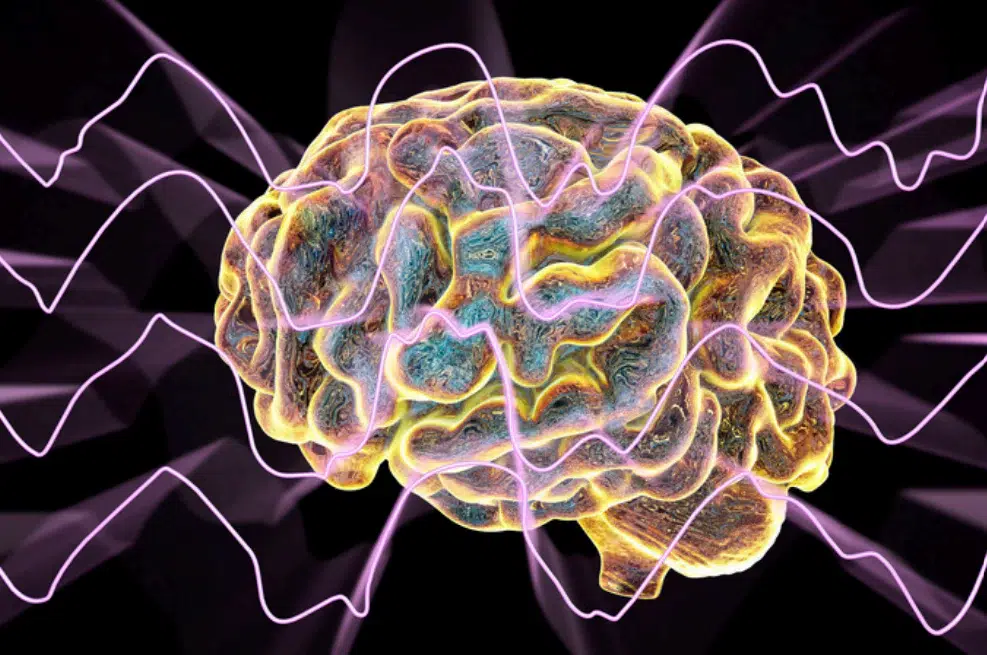
Solfeggio frequencies are a set of specific tones that are believed to have unique
therapeutic properties. These frequencies are used in various healing practices to promote
mental, emotional, and physical well-being. They are thought to correspond with specific
brain wave frequencies, which can be harnessed to achieve different states of
consciousness and therapeutic outcomes. This article explores the relationship between
Solfeggio frequencies, brain wave frequencies, their clinical applications, and the innovative
use of programmable frequency devices from Alive Innovations.
Solfeggio Frequencies and Brain Wave States
Solfeggio frequencies are a series of tones used in sound healing, with each frequency
believed to provide different healing properties. They range from 396 Hz to 963 Hz and are
thought to correspond to various brain wave states.
Chart: Solfeggio Frequencies and Their Correspondence with Brain Wave States
Solfeggio
Frequency (Hz)
Brain Wave
State
Brain Wave
Characteristics
Potential
Therapeutic
Effects
References
396 Hz
Delta (0.5-4
Hz)
Deep sleep,
restorative
sleep
Reducing fear
and guilt
Lane et al.,
1998; Kramer
et al., 2013
417 Hz
Theta (4-8 Hz)
Deep
relaxation,
meditation
Facilitating
change,
overcoming
trauma
Watson et al.,
2002;
Peniston &
Kulkosky
528 Hz
Alpha (8-14
Hz)
Relaxation,
mental
coordination
DNA repair,
transformation
Entrainment
Journal, 2005;
Horowitz et
al., 2013
639 Hz
Alpha (8-14
Hz)
Relaxation,
mental
coordination
Enhancing
communicatio
n, relationships
Lubar, 1997;
Klimesch,
1999
741 Hz
Beta (14-30
Hz)
Active
thinking, focus
Problemsolving,
improving
intuition
Monroe, 1993;
Sterman, 1996
852 Hz
Gamma (30-
100 Hz)
Cognitive
function,
memory
Enhancing
spiritual
awareness
Tallon-Baudry
et al., 1999;
Lutz et al.,
2004
Clinical Applications of Brain Wave Frequencies
Different brain wave states are associated with various cognitive and emotional functions,
and inducing these states can have specific therapeutic benefits.
Delta Waves (0.5-4 Hz)
Characteristics: Deep sleep, restorative sleep
Therapeutic Effects: Healing and regeneration, reducing anxiety and stress
Applications: Insomnia, PTSD, chronic pain
Theta Waves (4-8 Hz)
Characteristics: Deep relaxation, meditation, creativity
Alive Innovations offers programmable frequency devices
that can be tailored to emit specific Solfeggio frequencies,
thereby inducing desired brain wave states for therapeutic
purposes. These devices offer a non-invasive and
customizable approach to managing various mental health
conditions.
Potential Therapeutic Applications
PTSD: Inducing theta waves to help with trauma recovery and emotional healing.
Anxiety and Depression: Inducing theta waves to help with trauma recovery and
emotional
healing.
Cognitive Dysfunction: Utilizing alpha waves to promote relaxation and improve
mood.
Cognitive Dysfunction: Enhancing beta and gamma waves to improve focus, memory,
and cognitive performance.
Insomnia: Increasing delta waves to promote deep and restorative sleep.
Conclusion
The integration of Solfeggio frequencies and brain wave frequency induction presents a
promising avenue for therapeutic interventions. By leveraging the unique properties of
these frequencies, programmable devices from Alive Innovations offer a novel approach to
enhancing mental and emotional well-being. Continued research and clinical application will
further elucidate the potential of these technologies in promoting holistic brain health.
References
Lane, J. D., Kasian, S. J., Owens, J. E., & Marsh, G. R. (1998). Binaural auditory
beats
affect vigilance performance and mood. Physiology & Behavior, 63(2), 249-252.
Kramer, U. M., Rojo, N., Schule, R., Cunillera, T., Munte, T. F., & Rodriguez-Fornells, A.
(2013). The oscillatory network of motor plasticity after piano learning in adults.
NeuroImage, 74, 21-32.
Watson, A., Gunasingh, T. G., & O’Connell, M. (2002). EEG entrainment with binaural
beats: The patterning of cognitive and affective response in first year Psychology
students. Australian Journal of Clinical Hypnotherapy and Hypnosis, 23(1), 30-39.
Peniston, E. G., & Kulkosky, P. J. (1990). Alpha-theta brainwave training and
betaendorphin levels in alcoholics. Alcoholism: Clinical and Experimental Research, 14(2),
271-279.
Horowitz, S., & Horowitz, S. (2013). Sound Medicine: Music and the Brain.
Alternative
and Complementary Therapies, 19(1), 21-25.
Entrainment Journal. (2005). The Healing Power of 528 Hz Frequency
Lubar, J. F. (1997). Neocortical dynamics: Implications for understanding the role of
neurofeedback and related techniques for the enhancement of attention. Applied
Psychophysiology and Biofeedback, 22(2), 111-126.
Klimesch, W. (1999). EEG alpha and theta oscillations reflect cognitive and memory
performance: a review and analysis. Brain Research Reviews, 29(2-3), 169-195.
Monroe, R. A. (1993). Journeys Out of the Body. Harmony.
Sterman, M. B. (1996). Physiological origins and functional correlates of EEG rhythmic
activities: Implications for self-regulation. Biofeedback and Self-regulation, 21(1), 3-33.
Tallon-Baudry, C., Bertrand, O., Delpuech, C., & Pernier, J. (1999). Oscillatory
gammaband
(30-70 Hz) activity induced by a visual search task in humans. Journal of
Neuroscience, 17(2), 722-734.
Lutz, A., Greischar, L. L., Rawlings, N. B., Ricard, M., & Davidson, R. J. (2004).
Long-term
meditators self-induce high-amplitude gamma synchrony during mental practice.
Proceedings of the National Academy of Sciences, 101(46), 16369-16373.
Picower Institute for Learning and Memory. (2023). Cortical oscillations and neural
synchrony in attention deficit hyperactivity disorder. Nature Neuroscience.
Medical Disclaimer:
Please note that this is medical information, None of the
information presented here or on our social media is intended to service as medical,
legal, or regulatory counsel. Users are encouraged to seek professional assistance and
counsel if they are concerned about a specific medical, legal, or regulatory issue. None
of the statements on this video have not been evaluated by the Food and Drug
Administration. These products mentioned are not intended to diagnose, treat, cure, or
prevent any disease. The information presented is intended for mainly professional
usage and educational purposes and targeted for the US specifically; it is not intended
to make claims about any products or services; for more information call 800-454-
1920/ [email protected]